

Michigan Court Of Appeals Holds That Only An Accepted E-Filing Tolls The Statute Of Limitations
When an electronically filed complaint is rejected by the clerk for a defect, the operative filing date is the date the corrected, accepted complaint is submitted — not the original rejected submission.

Man Attacked By Goose On Hospital Property Can Proceed With Premises Liability Claim
The plaintiff, who was injured when a goose attacked him on a hospital’s property, can pursue a premises liability claim against the hospital because the plaintiff alleged 1) the goose was a condition of the land whose dangerousness was known and 2) the hospital failed to warn him about the dangerous goose.

Pro Se Plaintiff Wrongly Precluded From Presenting Evidence At Custody Hearing
In this case involving parties who represented themselves at a custody hearing, the trial court wrongly precluded the plaintiff from introducing any evidence beyond her own testimony at the hearing, the Michigan Court of Appeals has ruled.
COA Vacates Highway-by-User Claim Dismissal; Affirms Dismissal Of First Amendment Retaliation In Road Dispute
On the highway-by-user claim, the Court of Appeals held that Plaintiff-Appellants did have standing under Donaldson v Alcona Co Bd of Co Rd Comm’rs, 219 Mich App 718, 727 n 3; 558 NW2d 232 (1996) because they own property along the road and bear unique burdens if maintenance ceases.

Child’s Guardians Not Obligated To Pay Part Of Mother’s Appointed Counsel Fees
The trial court wrongly ordered the minor child’s legal guardian to pay some of the respondent-mother’s attorney fees in this proceeding to terminate the respondent’s parental rights and adopt the child, the Michigan Court of Appeals has ruled.
DHHS Didn’t Provide ‘Necessary Services’ For Reunification: Termination Of Parental Rights Reversed
The trial court in this termination of parental rights case wrongly held that the Department of Health and Human Services (DHHS) made reasonable efforts to reunify the respondent-father, who was in federal prison, with his child, the Michigan Court of Appeals has ruled.

Juvenile Guardianship Vacated: Trial Court Did Not Comply With Statutes, Court Rules
The Michigan Court of Appeals has vacated an order placing a minor child under a juvenile guardianship because the trial court 1) did not put its best-interest findings on the record and 2) did not conduct a hearing before ordering the guardianship.
No Misconduct Requiring Reversal Even Though Prosecutor “Crossed The Line” With Comments
The prosecutor in a criminal sexual conduct trial “cross[ed] the line” when he stated during closing argument that victims “have the right to be believed,” the Michigan Court of Appeals has ruled in a published opinion.
SCOTUS Holds State Affidavit-of-Merit Requirements Do Not Apply in Federal Court
State law requirements which impose different or additional requirements on pleadings filed in federal court are not enforceable if they conflict with the Federal Rules of Civil Procedure, even if the state law would qualify as “substantive law.” Thus a Delaware law which required the filing of an affidavit of merit with a medical malpractice complaint is not enforceable if a medical malpractice complaint is filed in federal court.
Court Of Appeals Clarifies Precedential Effect Of Pre-1990 Decisions In Custody Appeal
Separate from the Court’s consideration of Appellant-Father's arguments on appeal, the panel engaged in a discussion regarding published Court of Appeals decisions issued prior to November 1, 1990, specifically focusing on Fisher v Fisher, 118 Mich App 227; 324 NW2d 582 (1982).
Compensatory Civil Contempt Order Is Not ‘Final Order’ Appealable Of Right
An order imposing compensatory civil contempt sanctions is not a “final order” appealable of right, the Michigan Court of Appeals has ruled, addressing an “unresolved” question about the appellate court’s jurisdiction.
Court Of Appeals Holds Ski Area Safety Act Does Not Preempt Gross Negligence Claims
The Ski Area Safety Act (SASA) does not categorically preempt gross negligence claims. Further, Michigan’s public policy is violated by releases that attempt to contract against liability for gross negligence.

MSC To Hear Open Meetings Act Issue Involving City Of Royal Oak Retail Marijuana Ordinance
The Michigan Supreme Court is set to hear arguments in a case addressing whether the City of Royal Oak violated the Open Meetings Act because the city commission effectively delegated its governing authority to the city manager, who chose in closed-door meetings which applicants would be awarded retail marijuana licenses.
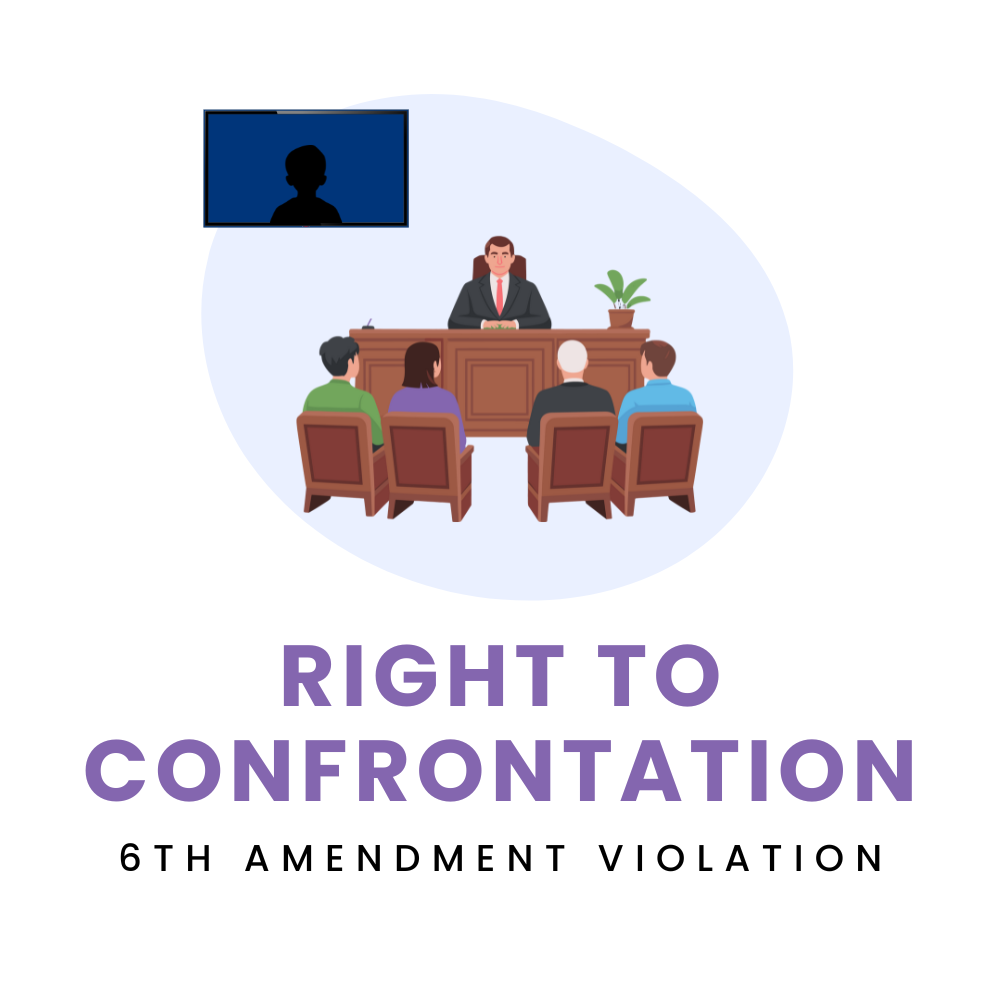
SCOTUS: Trial Court Must First Find ‘Screening’ Is Necessary For Child Witness
A father convicted of sexually abusing his young daughter was denied his right to confrontation under the Sixth Amendment, the U.S. Supreme Court has ruled, because the trial court did not first make a finding that “screened” testimony of the child victim, which was allowed by state law, was necessary.

Montessori School Did Not Breach Its Contract With Parents When It Expelled Their Children
The trial court properly held that the defendant-private school did not breach its contract with the plaintiff-parents when it expelled their children, the Michigan Court of Appeals has ruled.

Improper Jury Instruction Requires Tossing Conviction For Threatening Judge
A defendant’s conviction for allegedly making a terrorist threat against a probate judge must be vacated, the Michigan Court of Appeals has ruled, because the jury instruction did not properly convey the required “subjective recklessness” standard.

University Of Michigan Students Not Entitled To Prorated Refunds After COVID-19 Response
The Michigan Court of Appeals has upheld the dismissal of claims brought against the University of Michigan relating to the school’s retention of tuition, fees, and housing payments during the COVID-19 pandemic.
Mother’s ‘Too Small’ Living Arrangement Is Insufficient Reason To Terminate Her Rights
The allegation that an extended-stay motel room was “too small” for the respondent-mother to live in with her child and the child’s father was insufficient grounds for terminating her parental rights, the Michigan Court of Appeals has ruled in a published opinion.